By Bexley Public Library Writer-in-Residence, Grace Ellis
Most of the media you watch, from TV to TikTok, involves a script of some kind, but most readers never think to read a script for fun. If you’ve ever wondered what a script looks like or what it feels like to read the blueprint for your favorite movie or play, I have great news: The library has tons of scripts you can check out! Below is a list of a few places to start!
I prioritized books that the Bexley Public Library has on its shelves, but there are loads of others in the system that you can place on hold, including many modern plays:
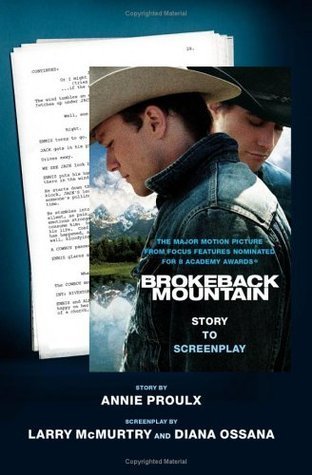
- “Brokeback Mountain: Story to Screenplay” by Annie Proulx, Larry McMurtry, and Diana Ossana
A great jumping-in point. This is the tragic story of two cowboys in love, and this volume tells it two ways: the original prose short story and the Oscar-winning adapted screenplay. It’s a good chance to read them side by side and consider what makes them different, not just in form and content, but in the experience of reading them. Would you have made different choices? Why? How do those choices translate to the screen?

- “Isle of Dogs” by Wes Anderson
A very different kind of screenplay, this one for an animated film that was written by a different type of screenwriter. Wes Anderson is famous for his intentionally made, stylistically beautiful movies, and you can see that same care and attention to detail in this script.
- “Almost, Maine” by John Cariani
This is the play I suggest to everyone who wants to try reading plays for fun. “Almost, Maine” is a series of vignettes (short scenes) about people struggling with love during the darkest time of the year, often in vaguely magical ways. What I like about this script is that it’s simple and straightforward; in contrast to the film scripts, you’ll notice that it’s more spare with the setting and action details while giving you enough information to construct the scene in your head.
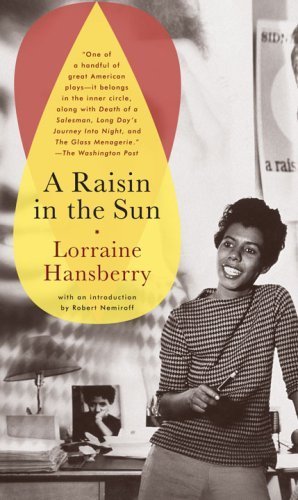
- “A Raisin in the Sun” by Lorraine Hansberry
“Family drama” is one of the biggest categories of play, and this is a foundational one. The stakes are high: Will this Black family in the 1960s be pushed out of their new, majority-white neighborhood? The script itself is a good counterpoint to something like “Almost, Maine” in every way. Not only is the subject matter significantly heavier, but the writing itself is, too.
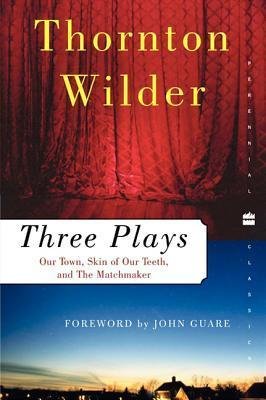
A great collection that includes the heavy-hitter “Our Town,” which is about time passing in a small town; “The Skin of Our Teeth,” which is a surrealist play about time passing through a family; and “The Matchmaker,” which inspired the musical “Hello Dolly.” Wilder is a writing titan, having won three Pulitzers and a National Book Award, and it’s interesting to see him wrestling with his artistic interests across these three plays.
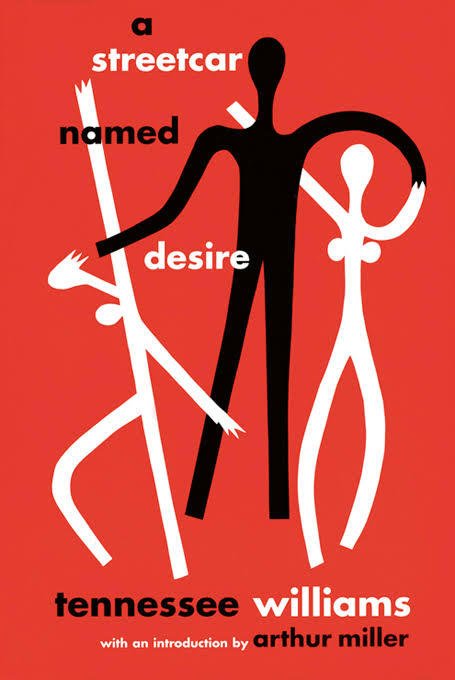
- “A Streetcar Named Desire” by Tennessee Williams
This is one of my favorites, and how could it not be? Summer is the perfect time to read any Tennessee Williams play because his scripts seem to radiate a sticky Southern heat. Take this excerpt from the opening scene setting: “The sky that shows around the dim white building is a peculiarly tender blue, almost a turquoise, which invests the scene with a kind of lyricism and gracefully attenuates the atmosphere of decay.” Gorgeous writing, and remember: The audience won’t ever hear those words. They’re only for the benefit of the reader. Also, this is the “HEY STELLA” play.
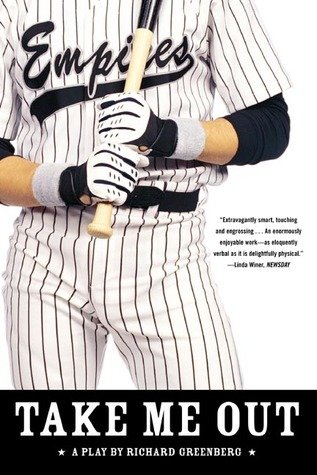
- “Take Me Out” by Richard Greenberg
Another great one for summer, this time about baseball. The story is about a star baseball player who comes out as gay and the locker room turmoil that follows. It’s a fun, zippy script, and reading it is a wholly different experience from watching it – when you’re reading a script, it’s easy to gloss over the fact that these characters are sometimes fully naked, which, when you witness it performed, would be impossible to forget. How does that change your understanding of the story? How does the script use the fact that the performance itself is the intended final product to make its point? It’s a great read, I recommend checking it out, literally.