By Bexley Public Library Writer-in-Residence, Grace Ellis
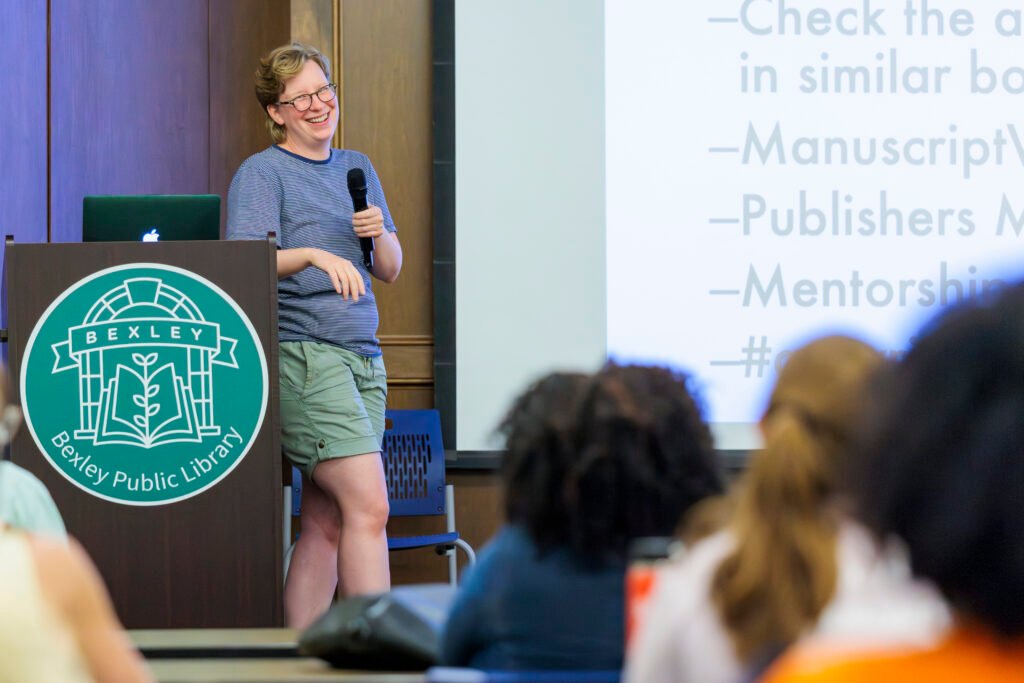
The Bexley Public Library Writer-in-Residence program has been a treat for a thousand reasons, but for my money, the top of the list is undeniable: 1) the welcoming community of readers, and 2) the relentless firehose of book recommendations I’ve received from that community of readers. I did a lot of reading during my six months at the library, and I thought it would be interesting to lay bare part of my borrowing history to give you a sense of what I’ve been reading and how it fits into my community and my writing life.
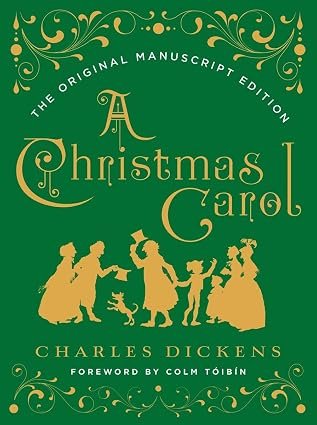
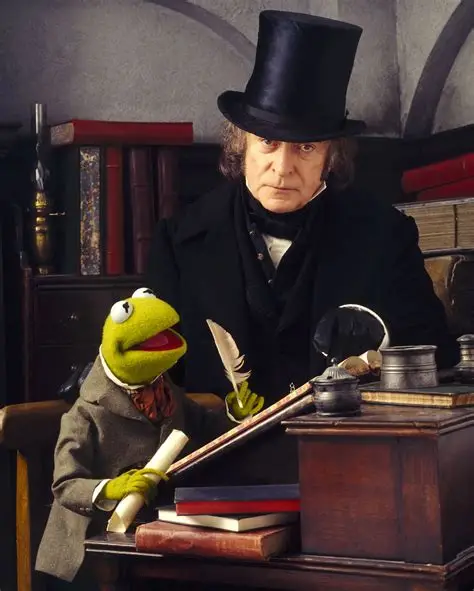
A Christmas Carol by Charles Dickens
This was the big one for me during this residency. Most of the writing I worked on during these months has been a graphic novel adaptation of this book; a lot of my script is verbatim from the original text, so I got to know it extremely well. When you throw out all of your preconceived notions about what “A Christmas Carol” is supposed to be and just take the text for what it is, it’s obvious why it’s so enduring: It’s just a damn good book from toe to tip. It’s dark, it’s funny, it’s weird. I love it, and I’m pleased with how the adaptation turned out.
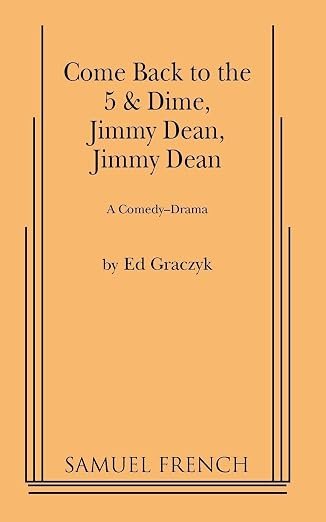
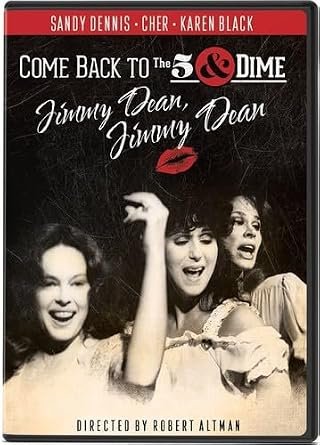
Come Back to the 5 and Dime, Jimmy Dean, Jimmy Dean by Ed Graczyk
No surprise to find a play script on this list! I read this one to inform my Columbus Stage Times weekly local theater roundup project, since the playwright, who recently died, lived in Columbus when he wrote it. The show had its premiere here before eventually running on Broadway and being adapted into a movie starring Cher and Kathy Bates. The play itself is fine but does display the type of interest in people that I think a lot of Central Ohio residents share: curious and tender with a drop of self-deprecating irony.
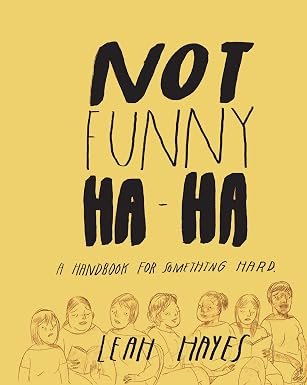
Not Funny Ha-Ha: A Handbook for Something Hard by Leah Hayes
This one is a medical-focused graphic novel; I picked it up because a friend of mine suggested it (hi Caitlin!) because she’s writing something in an adjacent genre, and I am helping her with some bird’s eye notes and ideas. The book itself is about two different women seeking abortions, a touchy subject that’s handled judiciously but confidently.
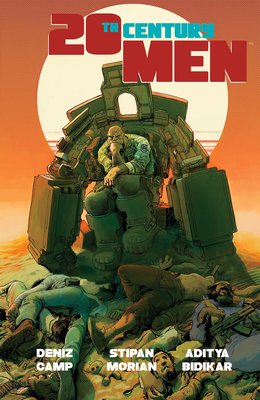
20th Century Men by Deniz Camp, Stipan Morian, and Aditya Bidikar
Another graphic novel, this time a recommendation from an editor of mine (hi Andrea!). I hadn’t heard of it before, which is surprising because it’s a wonderful, wholly original book with both great art and great writing, so I’m grateful to her for the suggestion AND I suggest you pick it up as well. Without giving too much away: It’s an alt-history book that’s brutal and violent but not in an unearned way. It’s one of those books that made me excited about the medium of comics and excited to work on my own books.
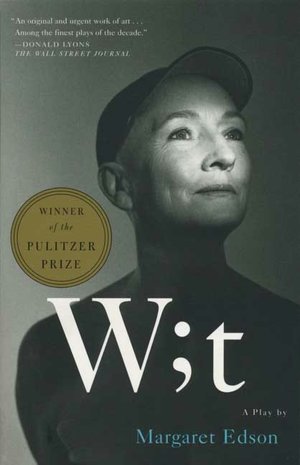
Wit by Margaret Edson
Another play, this one recommended to me by a Bexley Public Library board member (hi Susan!). We had run into each other at a theater event, and she told me she was teaching “Wit” in an Ohio State class focused on the way doctors and patients communicate, an incredible and informative lens to take in reading this play. The play itself is a gorgeously written but deeply depressing story about an academic coping with terminal cancer. Recommended if you’re up for it.
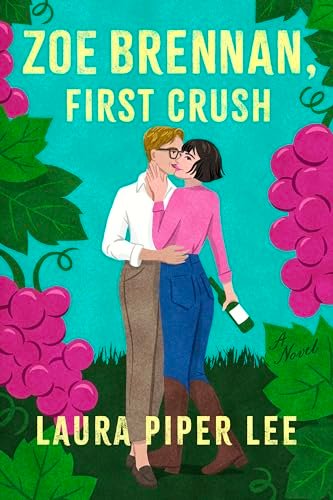
Zoe Brennan, First Crush by Laura Piper Lee
A spicy, queer romcom written by a friend of mine (hi Laura!) who is a featured author at the Columbus Book Festival in July! Laura and I met at a convention last year and really hit it off, so I was thrilled to see that I had an opportunity to trap her into hanging out with me again when she’s in town. She’s written a bunch of books (and I’m delighted to help vaguely midwife her new one!), but I had never read this one and thought I should! It’s funny and a lot of fun, just like Laura.
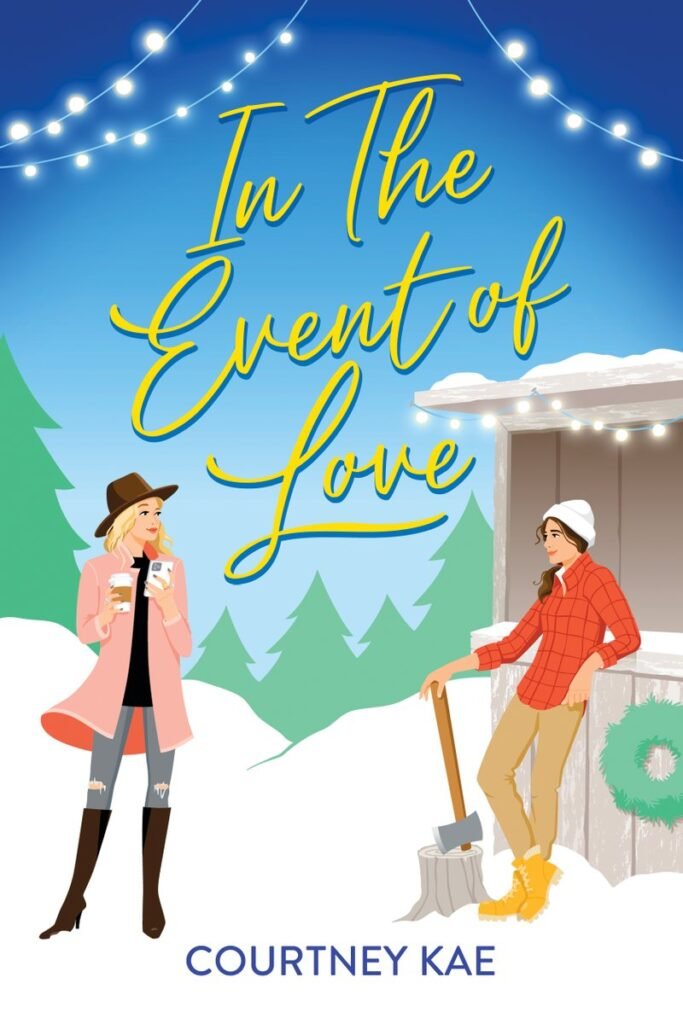
In the Event of Love by Courtney Kae
This is another queer romcom, but this one is essentially a gay Hallmark plot. Courtney is my girlfriend (hi Courtney!), and I checked it out briefly on Libby so I could quote it at her antagonistically in a moment when my physical copy wasn’t handy, and that’s what it’s like when two writers are dating. Also, people often ask if it still counts as supporting an author when you check out a book from the library, and it absolutely does!
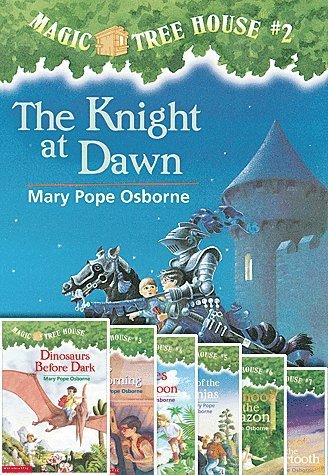
Magic Tree House books 1-28 by Mary Pope Osborne
Last December, I started reading one Magic Tree House book per night as a way of chilling out before bed. As someone who often writes for that age group, it was professionally interesting, but those books read so smoothly that it was a fun exercise in general. I had lunch with a friend recently (hi Kristen!), and she happened to mention that she’s been reading these books with her five-year-old, so we had much to discuss. For the record, we both agreed that “Hour of the Olympics” is our favorite (IYKYK).
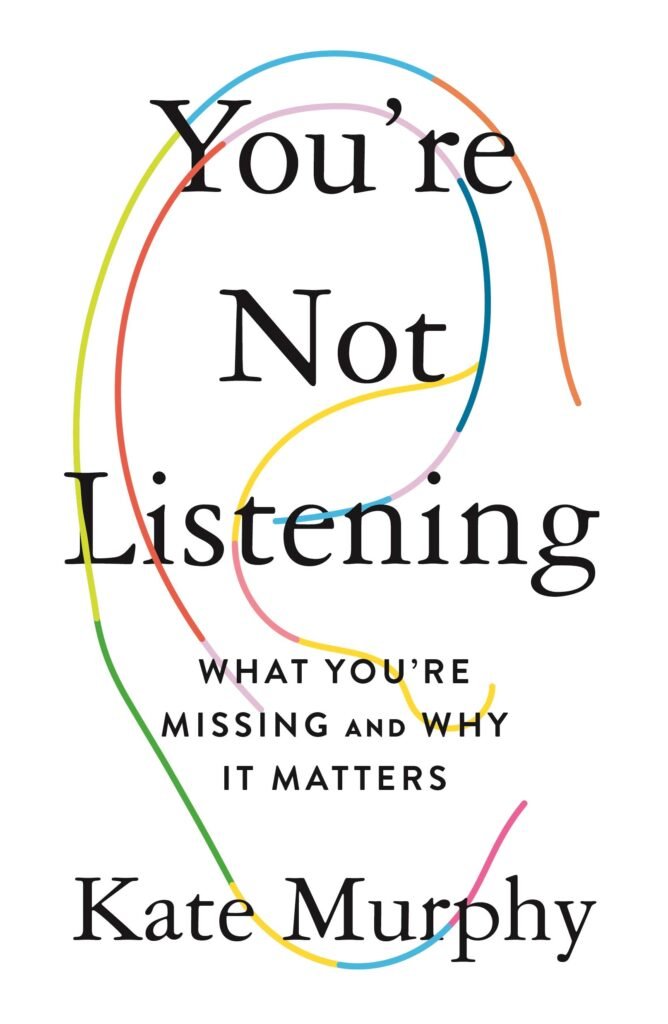
You’re Not Listening: What You’re Missing and Why It Matters by Kate Murphy
My current audiobook, and one I highly recommend. It’s all about the value of being a good listener, including strengthening your ability to ask good questions. Since I have a background in journalism and am, to quote my therapist, “surprisingly well-adjusted,” I wasn’t expecting to learn much, but I’ve been surprised at how insightful this book is and have used a bunch of the book’s suggested tools in everyday conversations. I also recommended this book to my therapist directly (hi [redacted]!), but as far as I’m aware, she has not read it yet.
I don’t think I fully appreciated how much I read with a purpose until I put together this list! And this is just the tip of the iceberg – my latest library receipt said that I’ve saved $945 so far this year by using the library, and that’s BEFORE my Summer Community Read adventure. More than anything, this residency reminded me that libraries aren’t just places to find books; they’re places to find readers, and readers are endlessly generous with what they love. All that to say: I am still open to recommendations.